Archive

Art

The third annual SNAP: Art at the Aldeburgh Festival, is currently on at Snape MaltingsSuffolk, with, as usual, some interesting work amongst the marshlands, dilapidated buildings and tourist tat shops. Worth a visit if you are in the area.

This year, SNAP has a fringe event called SNIP, in a barn a few yards down the road from Snape Maltings, which is worth a look as well. UCS staff and student work is on display.

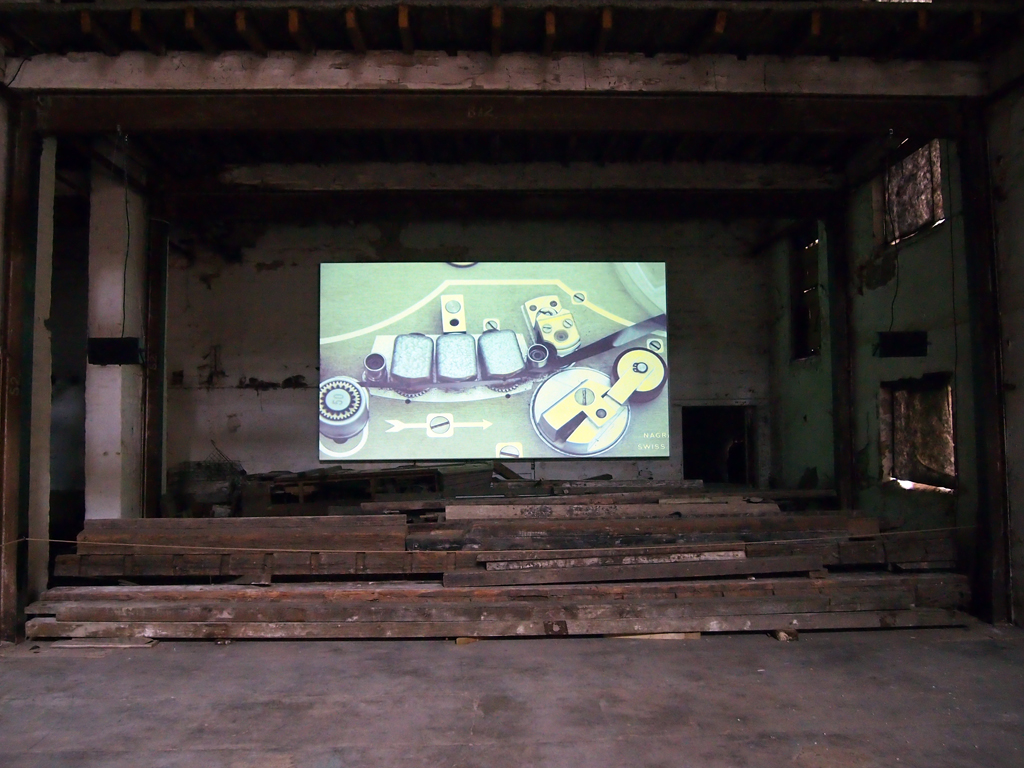
Bennedict Drew’s projection: Matériel at SNAP

SNAP runs until 30 June

SNIP runs until 23 June

Earlier last month few could have escaped the surprise announcement of a new David Bowie album, scheduled for a March release, titled The Next Day.

The artwork dropped with almost as much of a shock, to some, as the album. The artwork places a white square over the original iconic cover of “Heroes”, Bowie’s 1977 collaboration with Brian Eno which is considered by many as one of his best works. While this was sacrilege to some, others, along with myself, thought it a brave masterstroke by Jonathan Barnbrook, who has worked with David Bowie for the last 10 years.

newheroes_0

David Bowie – The Next Day. Sleeve by Jonathan Barnbrook, 2013

On seeing Barnbrook’s work for Bowie, I immediately drew associations between The Next Day sleeve and a new jacket for George Orwell’s Nineteen Eighty Four by David Pearson that was showcased on the Creative Review blog shortly before the announcement of the Bowie album. Here, Pearson obliterates the title and author of the book to reflect the redacting of history in this classic Orwellian tale.

nineteeneightyfourdropshadow569_0

George Orwell – Nineteen Eighty Four, cover by David Pearson, 2013

Naturally enough though, I wasn’t the only person to make such a comparison as Richard Weston’s Ace Jet 170 blog testifies. And there, my thoughts would have rested, beaten in the blogosphere to writing a post about the Bowie/Orwell connection.

However, I then got thinking about these two pieces of work and their deliberate graphic obscuring—where one piece of communication has been interrupted by another to create a new work that forces the viewer to question what they are reading—and how this related to things I’d been observing in my everyday. For a little while now I’d been noticing such occurances as road markings being obliterated by the visual remains of where road works had taken place, their primary communication scarred and temporarily interrupted; or where different street signs had been overlaid partially obscuring aspects of one or both.

IMG_2967

JacobsWay

These observations have started to inform a new photographic project of mine, (working title Graphic Interruptions), which currently only consists of some test pieces posted to Flickr. The obvious differences here are that Barnbrook’s and Pearson’s work both deliberately interrupt one visual device with another to form a new narrative, where as what I had been looking at were mostly accidental. I don’t quite know yet where this project is going, but I’m finding it visually intriguing.

But then this visual intrigue was whetted again this week when I succumbed to buying the John Stezaker monograph, which I had been coveting for some time. The book was published in 2011 to accompany his exhibition at the Whitechapel Gallery the same year. Unfortunately I missed the show, but was bowled over by the images that were shown alongside many of the rave reviews in newspapers and on blogs at the time. Could it be that this work, first seen a couple of years ago, had stayed with me and fed my visual thinking when walking around and noticing my graphic interruptions?

StezakerMaskIV 2005

John Stezaker, Mask IV, 2005

Mask IV is typical of the collage work that attracted me to Stezaker. At first, I didn’t make an immediate connection between all of the above and the influence Stezaker’s show, directly or indirectly, has potentially had on my thoughts about what the book calls ‘occlusion’, (the art of blocking).  But I am beginning to now.

And then, looking through the book, I came across two images that made me wonder whether Stezaker’s work had also influenced, consciously or otherwise, Barnbrook’s The Next Day sleeve:
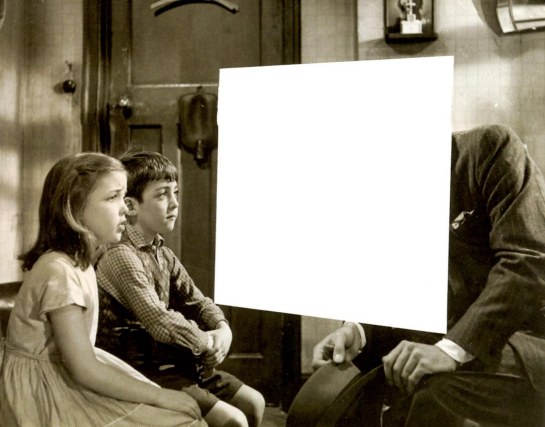
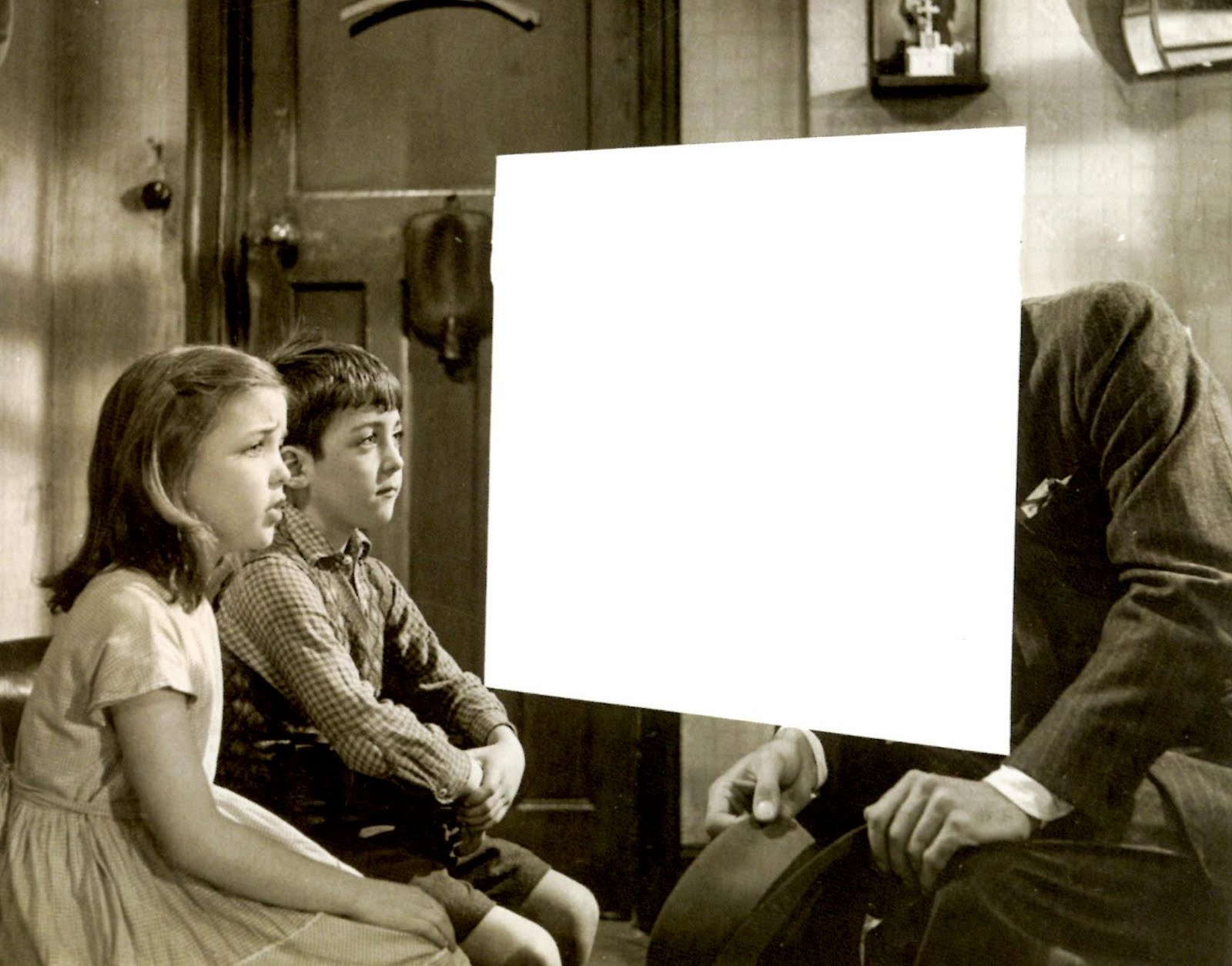
StezakerTabula RasaXI2008

John Stezaker, Tabula Rasa XI, 2008

John Stezaker, Tabula Rasa II 1983

John Stezaker, Tabula Rasa II, 1983

With or without placing ‘The Next Day’ text in the white rectangle, you can easily see the connection between this and the sleeve of the anticipated David Bowie record.

My observations here are purely that, observations. I’m drawing together recent thoughts that may or may not have fed into each other, but that do spark a line of questioning regarding the narrative of an image. This might just become my 2013 obsession.
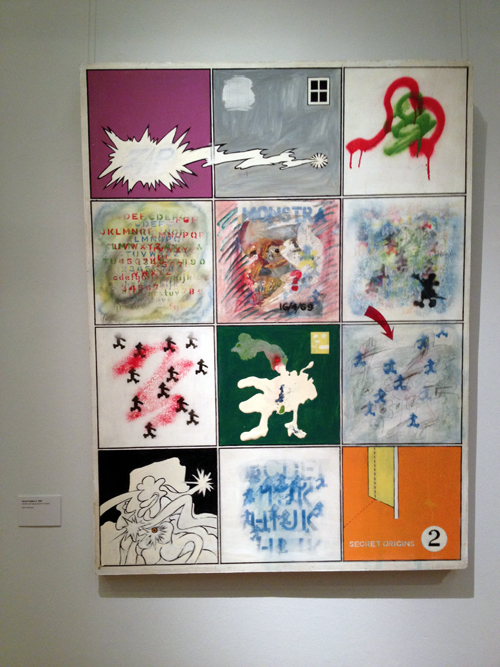
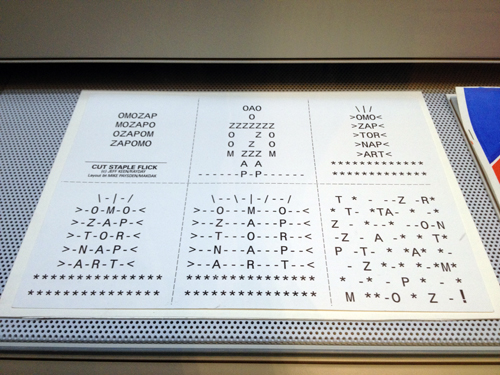
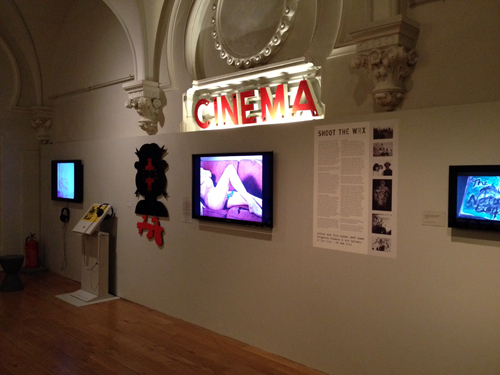
It is always rewarding to come across an artist who has previously been completely off your radar. This was the case when Claire and I stumbled across Jeff Keen’s Shoot The WRX retrospective at Brighton Museum this weekend.

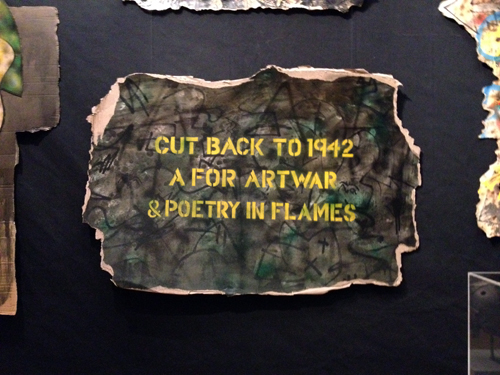
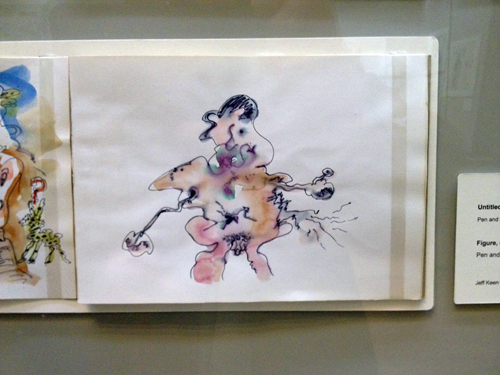
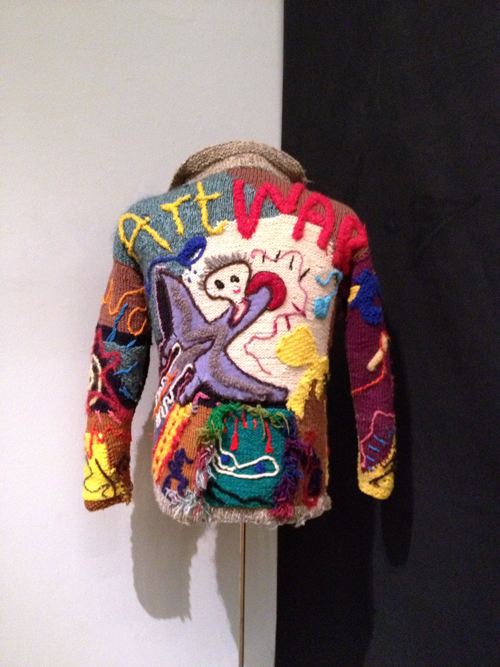
It was an exciting show, with a huge variety of different styles showcased throughout his works, (or WRX, the title referencing Keen’s love of cartoon strips). Without wanting to do the exhibition a disservice, I was immediately reminded of an art foundation course end of year show—the styles were so similar to a whole host of other artists that it was difficult not to see many of the outcomes as emulation, or of someone finding their own reference points through exploring those of others. In fact, as I walked among the projections, objects, paintings and sketchbooks on display, the variety was so great it seemed incredible that all of this was the work of one person.

Listing the similarities to other artists; Keith Haring, Basquiat, Kurt Schwitters, Rauschenberg, Picasso, Terry Gilliam, Futurist poetry, punk fanzines, Anselm Kiefer, Robert Crumb…  I noted that the one unifying voice among all of this was the sense of anarchy. In fact the tag line of ARTWAR that adorns many of his pieces suitably sums up his destruction of other’s visual signatures.

The Foundation show is an unkind tag, as Keen’s edit, maturity of application, and consistent sense of chaotic narrative, would rarely been seen at such a level. And much of the work was more than the emulation often displayed in such shows—this was someone in their element, the work vibrant and playful with an underscoring attitude, as opposed to students on a stepping stone to something else.

Keen moved to Brighton in the 1950s and steadfastly refused to leave, and it is unfortunate that he died in June of this year. The energy on display is truly inspirational, and the sheer eclecticism in both medium and approach amazes because in such a show, the sum of the parts becomes the whole. By the time you get to the last film, shown on the balcony opposite the tea room in the museum, it becomes entirely logical that this is the work of one man.

The show runs until 24 February 2013 at The Brighton and Hove Museum and Art Gallery, entry is free.

Jeff Keen’s obituary—The Guardian.

I’m vaguely ashamed to say that today was the first time I’ve visited Ipswich Art School since it opened as a gallery in 2010 after years of no-one really knowing what to do with it. Tucked in next to Ipswich Museum off a main thoroughfare in Ipswich, it is a marvellous building, purposefully built as an art school, with an amazing glass ceiling in the central atrium that floods the space with natural light.

Brian Griffiths’ Boneshaker. 2003

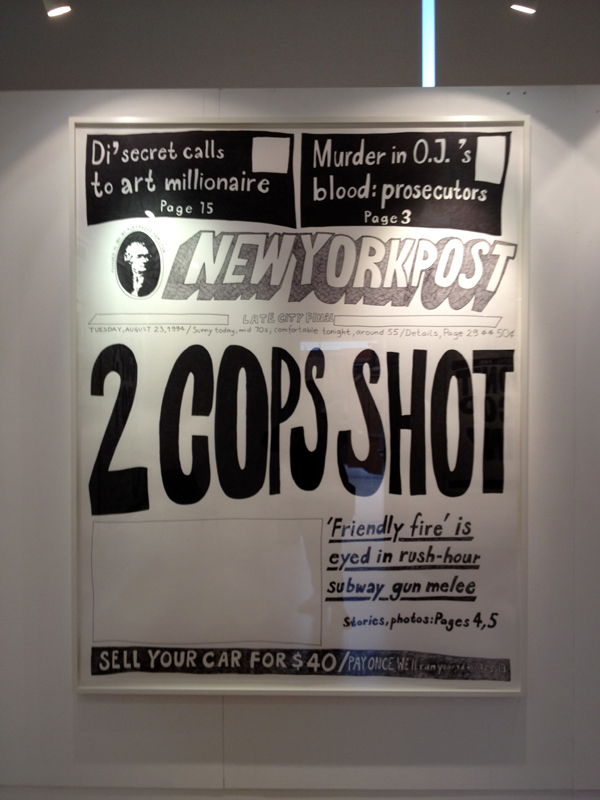
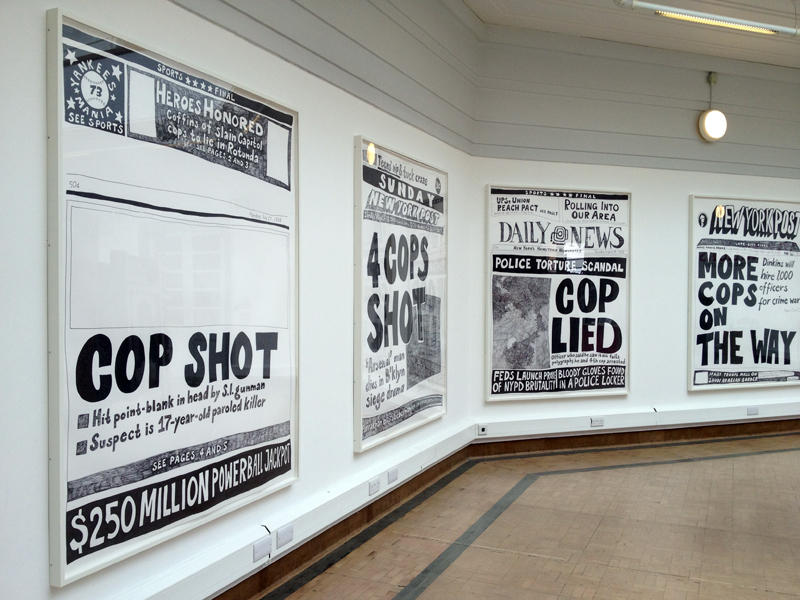
Currently on display is Revisitations, an exhibition of work from the Saatchi Gallery. The Saatchi Gallery first supported the opening of the Ipswich Art School with work for it’s initial exhibition two years ago, and it is good to see the link continuing. In the current show, I particularly liked Brian Griffiths’ Boneshaker, above, entirely made out of old furniture, and Aleksandra Mir’s Newsroom, made of giant drawings from New York newspapers from 1986–2000 and 2007.

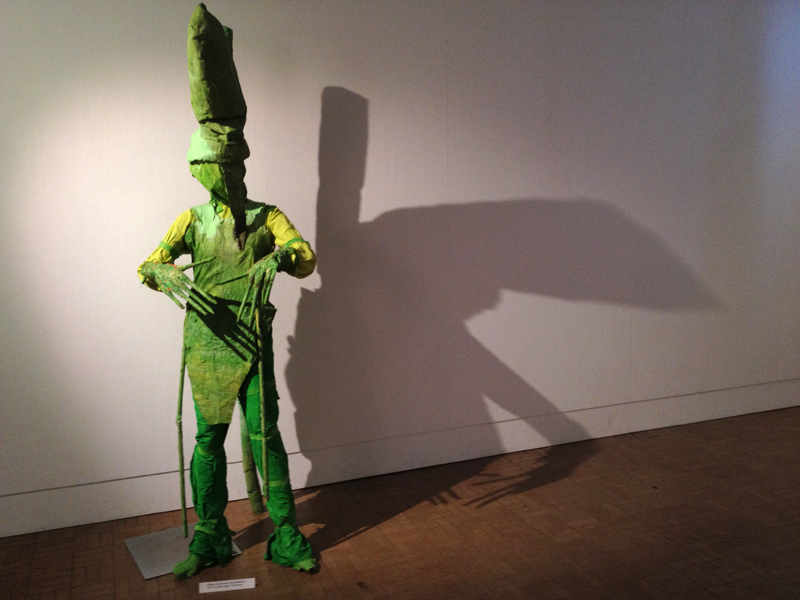
Other highlights include Spartacus Chetwynd’s spooky life-size costumes:

The Lizard, 2004

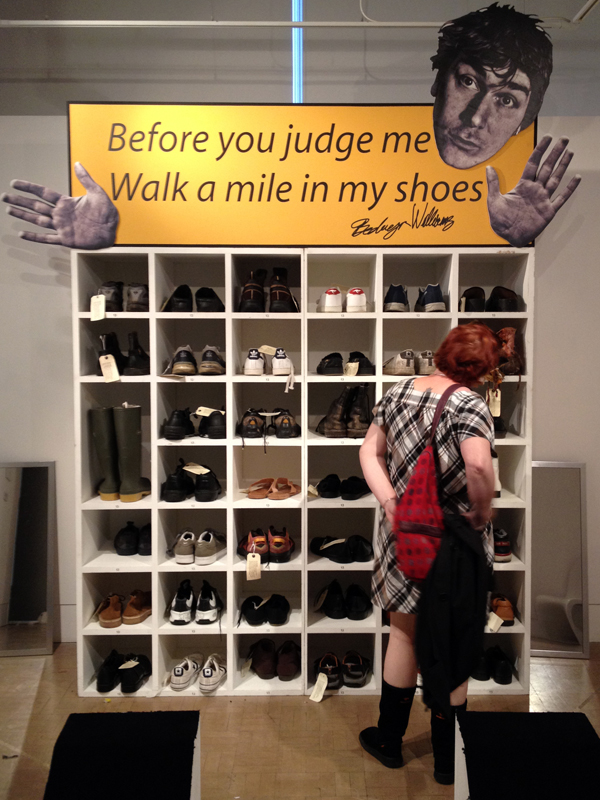
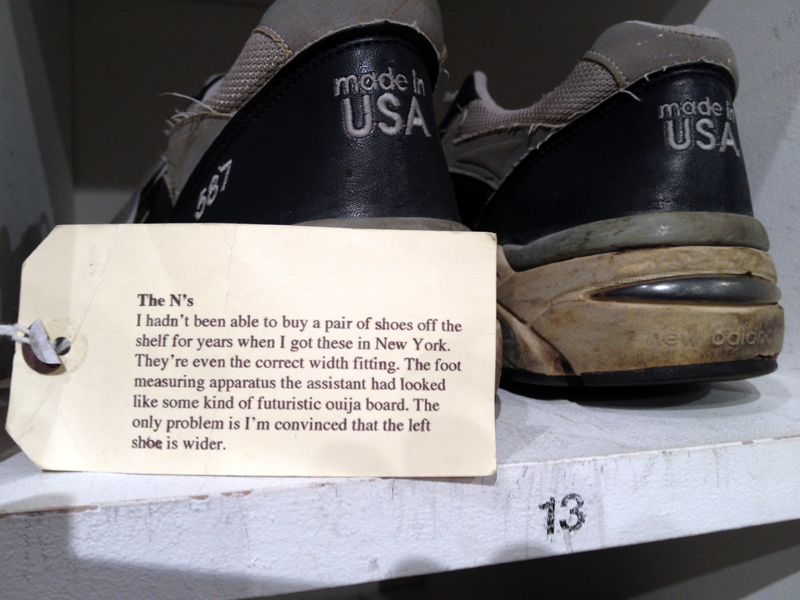
And Bedwyr Williams’ Walk a Mile in my Shoes, which made Claire laugh out loud several times. Visitors are invited to try on items from his personal size 13 shoe collection.

He provides anecdotes about each pair:

Other artists exhibiting include: David Batchelor, Steve Bishop, Matthew Darbyshire, Tessa Farmer, Guerra de la Paz, and Bedwyr Williams. The show continues until 26 August, and is well worth a visit if you are in the area.

For the second year running, Snape Maltings in Suffolk has hosted SNAP: Art At The Aldeburgh Festival.

Emily Richardson’s Over The Horizon in Derelict Building A

Like last year, one of the things I like most about this exhibition is its inventive use of the space at Snape Maltings. Old derelict buildings and the beautiful scenery of Snape become temporary gallery spaces through projections, sound scapes and integration with the landscape. In fact, the siting of the work is often better than the work itself, and the location brings something of an improvement. For example, I was rather taken with the work above by Emily Richardson, which married a slideshow of stills of derelict buildings on Orford Ness on the Suffolk coast—something of a common art/photography project in these parts of the world—with sounds recorded there. The effect of derelict buildings displayed in derelict buildings had a mesmerising effect as the framing of the work became part of the work, despite the fact I’ve seen many Orford Ness projects to make me scream ‘enough already’ when ever I see another.

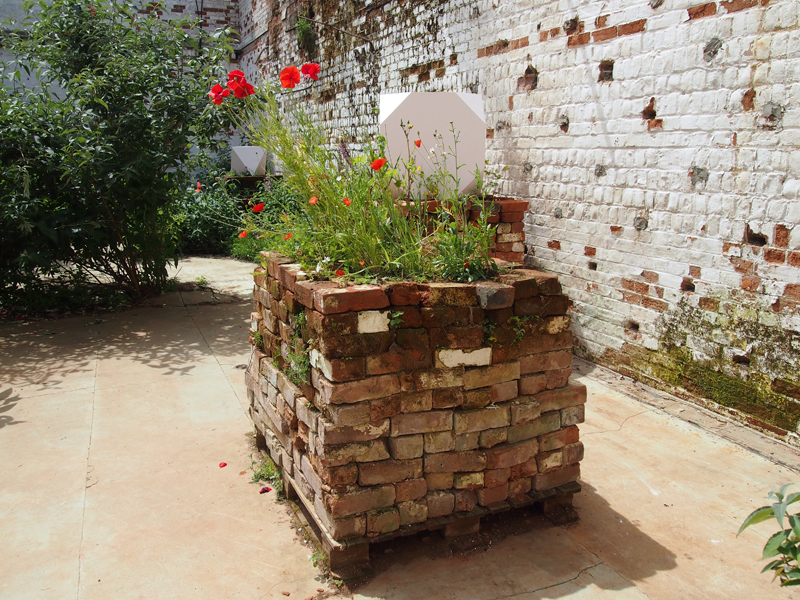
May Cornett’s Walled Garden

Some of the work is striking and I particularly liked May Cornett’s Walled Garden, with a series of pallets of bricks making giant raised flower beds. I’d debate that this was more design than art, and I’d readily have several of these in my garden.

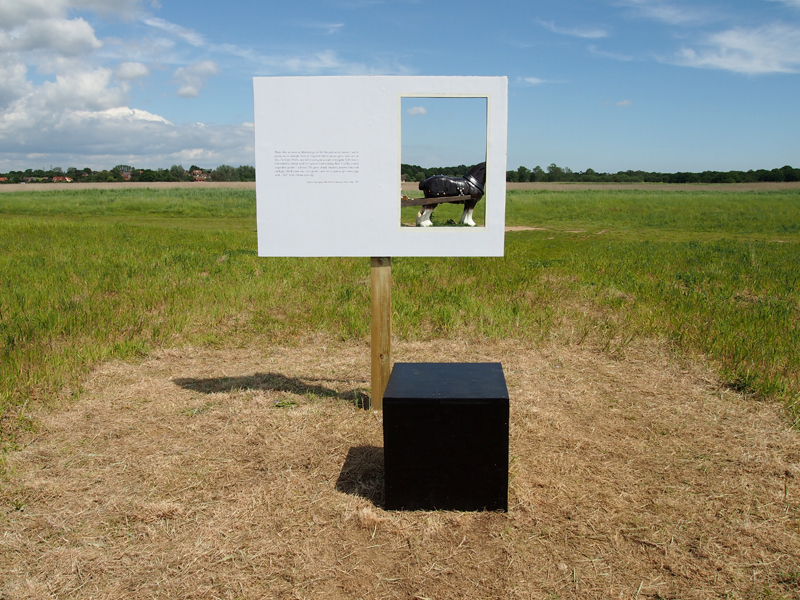
Matthew Darbyshire & Scott King’s Ways of Sitting, with Sarah Lucas’ Perceval

Matthew Darbyshire and Scott King’s Ways of Sitting framed existing artwork dotted around various locations at the Maltings, with ‘quotes’ by King that poke fun at artist mythology. Some of the texts were a little obtuse and appeared to lack pertinence to the work they coincided with, although a couple, such as a ‘quote’ from Nancy Spungen about wanting to raise animals in the country with Sid Vicious next to Perceval by Sarah Lucas, did make me laugh.

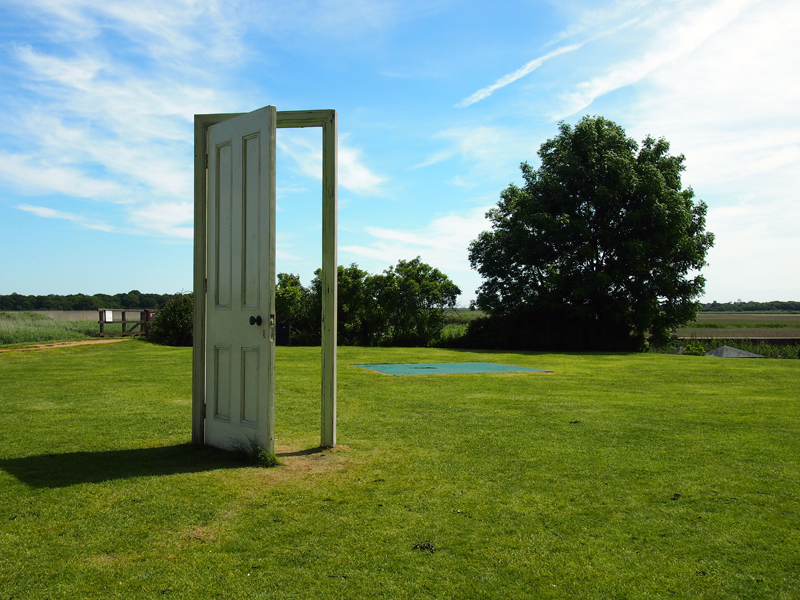
Gavin Turk’s L’Age d’or

I also enjoyed Gavin Turk’s oversized door, there was something very Alice in Wonderland about it, and my Grandson loved running through it. (Apologies for the saturated colour in these two shots, my camera changed settings without me realising.)

Callie and Alfie and Gavin Turk

Overall, an exhibition worth visiting. Other artists on display include Glenn Brown, Brian Eno, Aston Ernest, Ryan Gander, Maggi Hambling, and Mark Limbrick. The exhibition runs until 24 June.